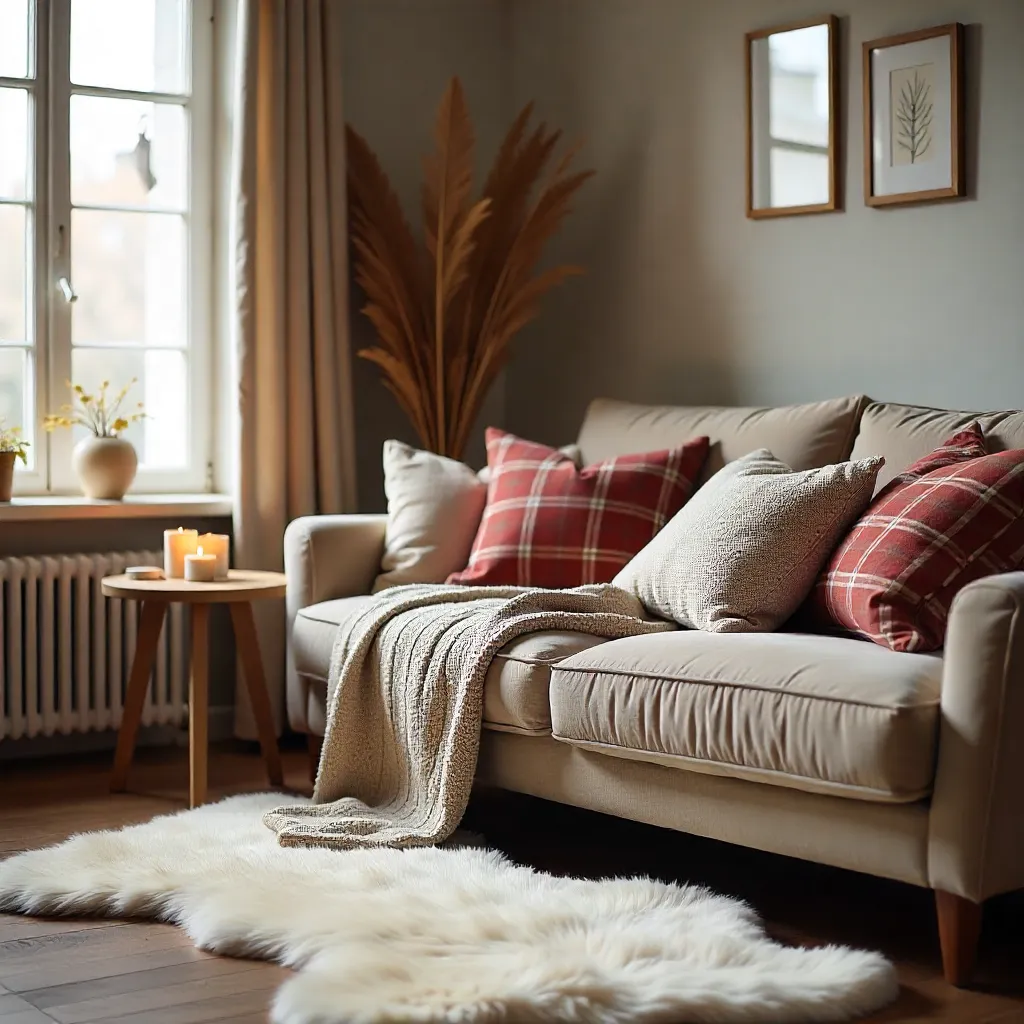
Warm ambient lighting creating intimate atmosphere

The Illumination Lab

Master the art of Light Scaping to transform your space

Understanding Light Scaping

Light Scaping is the deliberate placement and layering of artificial light sources to replicate the warmth and comfort of natural sunlight during winter months. As daylight hours shorten, your home's lighting becomes crucial in maintaining mood and well-being.

This approach goes beyond simple illumination. It's about creating depth, warmth, and visual interest through strategic placement of floor lamps, candles, and fairy lights. Each light source serves a purpose, contributing to an overall atmosphere that feels natural and inviting.

Temperature: The Kelvin Scale

Light temperature, measured in Kelvin, dramatically affects how a space feels. Understanding this scale helps you choose the right lighting for winter comfort.

Warm White (2700K-3000K): These temperatures mimic candlelight and sunset. Perfect for living rooms and bedrooms, they create a cozy, intimate atmosphere that encourages relaxation.

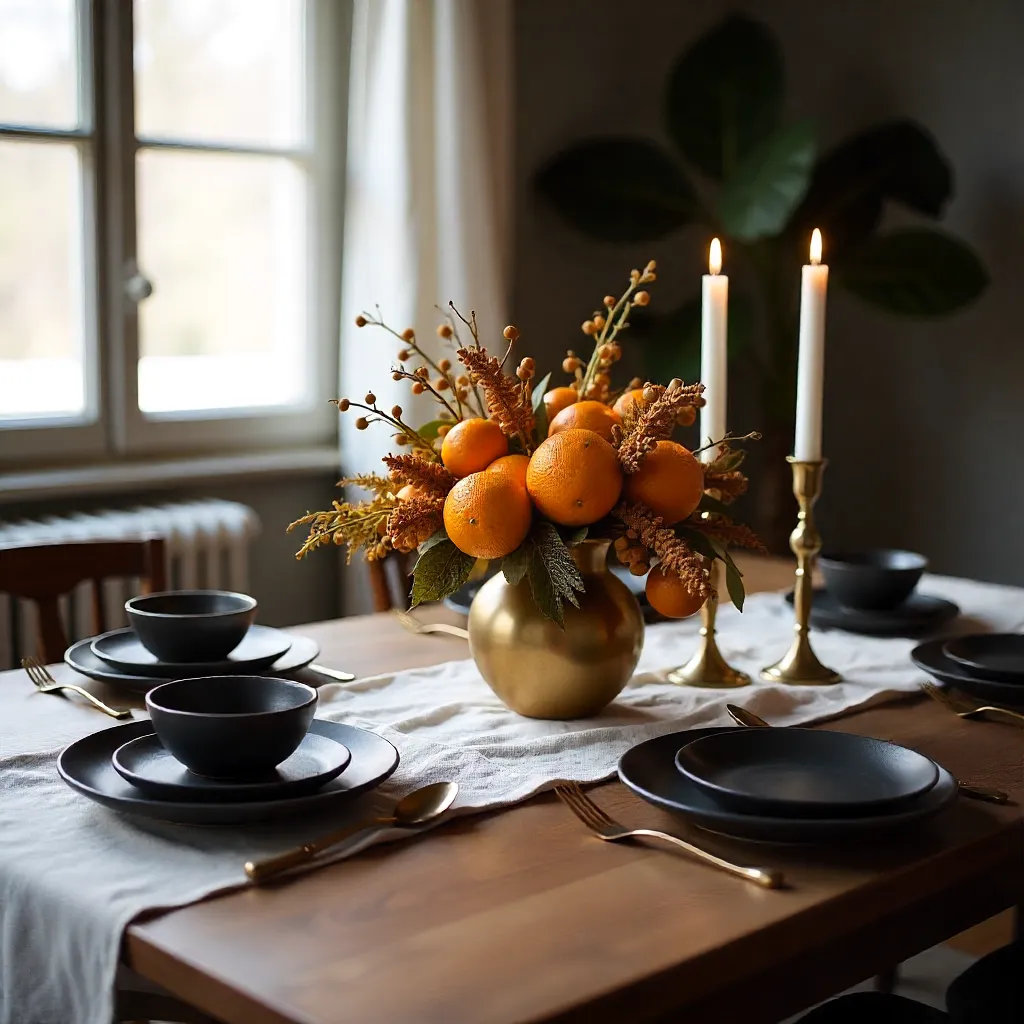
Soft White (3000K-3500K): Slightly brighter while maintaining warmth, ideal for dining areas and reading nooks where you need both ambiance and functionality.

Cool White (4000K+): While useful for task lighting, use these sparingly in winter. They can feel harsh and clinical, disrupting the warm atmosphere you're creating.

Warm candlelight creating intimate setting
Warm candlelight (2700K)
Soft floor lamp providing ambient glow
Soft ambient lighting (3000K)

Strategic Placement

Where you place your light sources determines how effectively they transform your space. Consider these placement strategies:

Floor Lamps: Position floor lamps in corners or behind furniture to create indirect, diffused light. This eliminates harsh shadows and creates a soft glow that fills the room. Place them at varying heights to add visual interest.

Candles: Group candles in clusters rather than spreading them evenly. Place them at eye level or below to create pools of warm light. Use candle holders of different heights for dimension.

Fairy Lights: Drape fairy lights along walls, around windows, or across mantels. Their delicate glow adds texture and movement to your lighting scheme without overwhelming the space.

Creating Your Light Layers

Start with your primary light source—usually a floor lamp with warm white bulbs. This becomes your base layer. Add secondary sources like table lamps or wall sconces to fill in shadows and create depth.

Incorporate candles for their flickering quality, which adds life and movement to static lighting. Finally, use fairy lights as accent lighting to highlight specific areas or create visual pathways through your space.

Remember to use dimmers whenever possible. The ability to adjust brightness allows you to adapt your lighting throughout the day, maintaining the right atmosphere from morning to evening.